
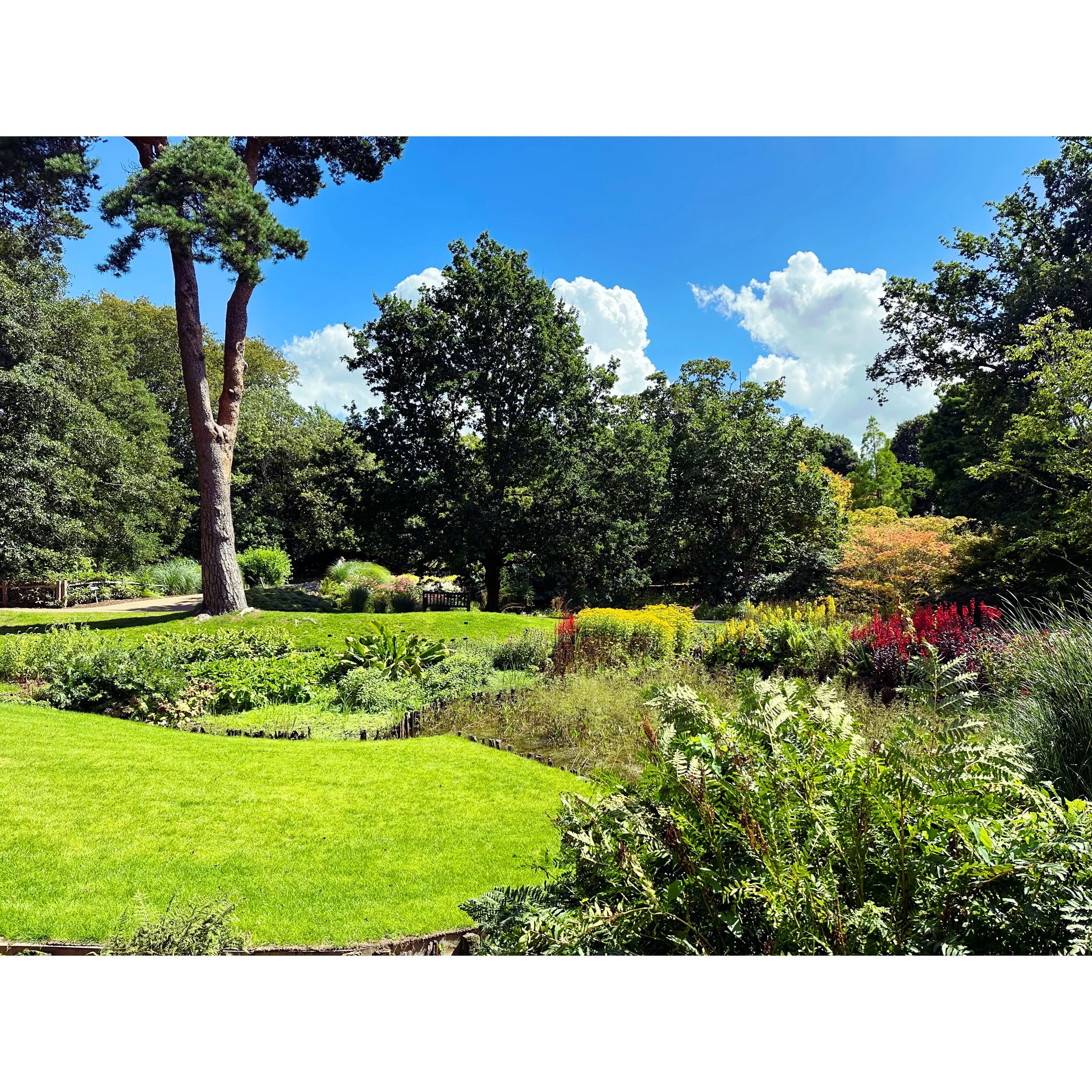
Breathing: You might not be doing it right.
But, i’ve been breathing my whole life, i must be doing it right!
This was my initial reaction when i started researching breathing and found that most of us aren’t breathing properly.
It is crazy to think that we aren’t breathing properly, surely if we aren’t breathing properly then there would be signs and symptoms? When we think, primarily we breathe so we can take oxygen in for our bodies to function. Getting more oxygen into our bodies can help improve our bodies response to living. Let’s bear in mind that the majority of us are living busy, hectic lives.
First how can we breathe properly?
You should be sat with a straight back, this allows your lungs to expand and take in as much oxygen as possible. So even at your work desk you can position yourself so you can improve your breathing and oxygen intake. A perfect time for this is whenever your are feeling slow, unproductive or you are feeling a little unmotivated.
We also should be exhaling fully every time we breathe. Most people only exhale between 65-75 % of the carbon dioxide in their lungs. By exhaling fully we are getting rid of more carbon dioxide thus you will feel more energetic and feel an improvement with your lung efficiency.
We should also ideally be inhaling through our nose and exhaling through our mouth. Inhaling through our nose it like a built in air filter, trapping toxins, dust, pollen etc. Nose breathing also calms our vagus nerve, our vagus nerve is part of our central nervous system. By calming this nerve you can minimise the feelings of anxiety and stress. Nasal breathing can help us take in 20% more oxygen which as we know will help the body function better.
How can we benefit by better breathing? We can benefit in a number of ways, such as:
Reduced feeling of stress and anxiety
Lowers blood pressure when feeling stressed or anxious
Higher levels of oxygen in the bloodstream can help with pain
Improves focus and clarity
Improves sleep
The easiest type of breathing to master is box breathing. The idea is that you are bing intentional with your breathing - Intentionally breathing in through your nose, holding that breathe then intentionally emptying your lungs through your mouth.
Box Breathing
Exhale out of your mouth to the count of 4
Hold your lungs empty to the count of 4
Inhale through your nose to the count of 4
Hold the fresh air in your lungs to the count of 4
Exhale and repeat
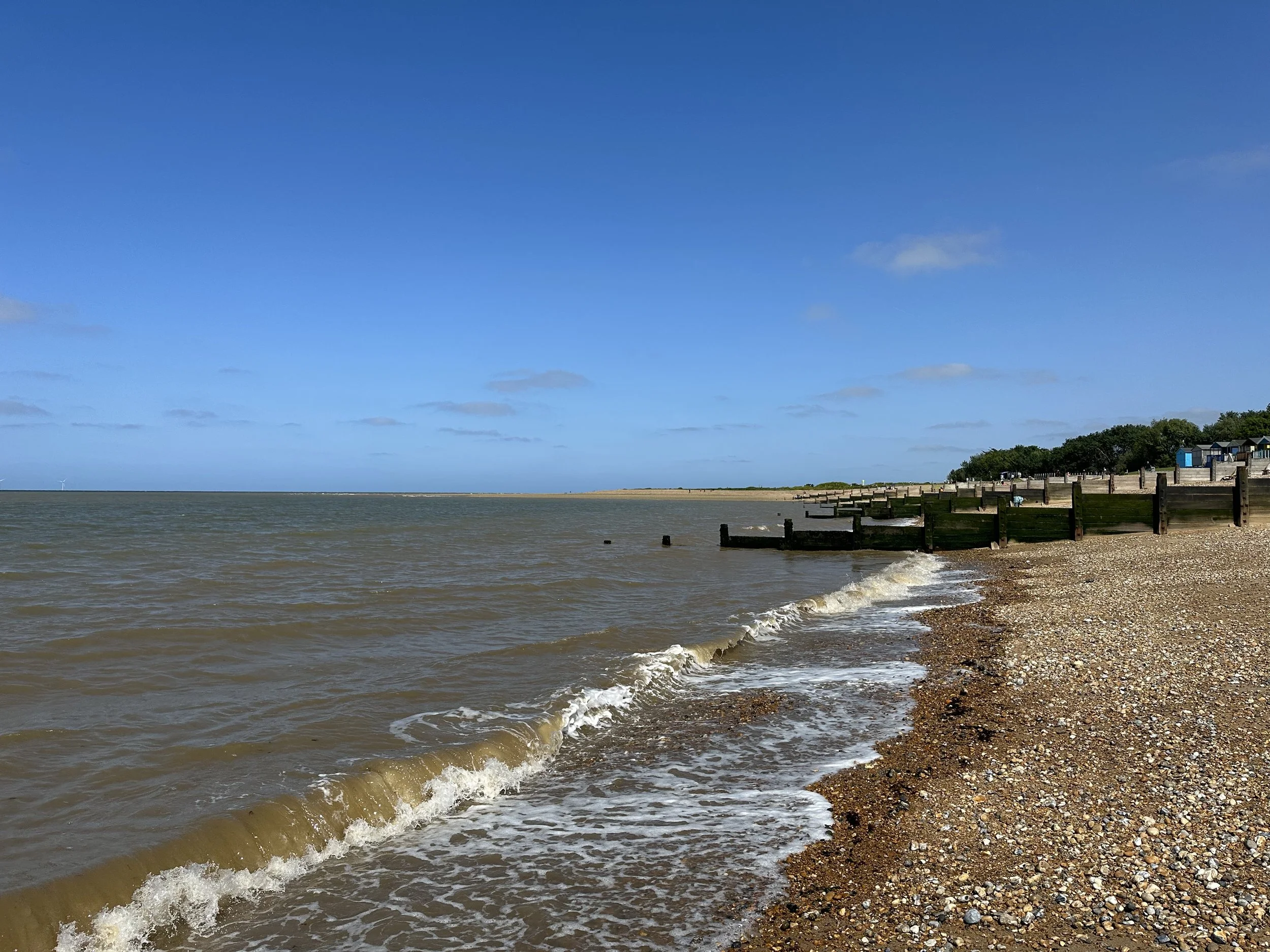
Mindfulness: A subtle art
Mindfulness: A Subtle Art
What is mindfulness?
Mindfulness is a technique we can use to become fully in the present moment. Mindfulness is used to minimise the effects of stress and anxiety. You usually become aware of what is happening in your mind, body or your surroundings.
Mindfulness is made up of 3 main parts:
Intention - this is choosing to allow you awareness - your choice
Attention - this is being present in the moment, becoming fully aware of any thoughts, feelings or sensations happening to your body - your attention
Attitude - this is having an open mind and being kind to yourself and having an open mind in regards to what you have become aware of - your attitude
How can you practice mindfulness?
Here are 5 tips on how to practice breath mindfulness (even if you are a beginner)
Find a quiet place to concentrate and get yourself in a comfortable position.
Start to notice your breathing - feeling air rush in through your nose and out through your mouth. Become aware if the rise and fall of your chest.
Carry on this breathing exercise, if you find your mind wandering and you end up focusing on a thought or something in your immediate environment - simply bring your awareness back to your breath…. in through your nose, out through your mouth.
Repeat this process over and over again. Feel free to practice mindfulness at any point of the day.
Mindfulness practice isn’t just if you feel stressed or anxious - it can become a daily practice. If you are practising mindfulness because of stress and anxiety this can help but just remember be kind to yourself.
Need some support with beginning mindfulness practice? Here is a short YouTube video to get you started!
https://youtu.be/inpok4MKVLM

Why this? Why now?
You may ask….
One could say that COVID helped us realised how much we enjoyed and NEEDED to take a slower pace of life. So why now do i feel like we have thrown ourselves into the rat race yet again? Is it really fair to say that it is because it is the natural progression of heading back into work after COVID or is there more to this?
Cost of living definitely has a part to play in this. It seems that everybody is trying to claw back some work hours or salary by the end of the month. It is not just bills we are fighting to pay with our time or money, it is the small things that keep us sane week in week out.
Not being able to afford to take time off to go on holiday. Not only is it the time off (for those people who are self employed) but also the actually cost of the holiday etc.
I get it - we HAVE to work…. and that isn’t what i am seeing. I’m seeing people work extra hours at the cost of their health and their relationships. relationships that aren’t just at home. The relationships at work. People are just becoming too stressed and burned out for the sake of keeping their head above water.
What small steps can we take to minimise the effect of this added stress juggling the work/life balance?
Here are 5 easy steps to help you minimise stress and burnout:
Practise deep breathing: Take a few minutes throughout your day to decompress and take time out. Focus on your breathing take in a breath for the count of 4, hold for a count of 4 and breath out for the count of 4. This will calm the nervous system.
Stay active: Take regular walks outside in nature. This will release endorphins and reduce any stress hormones.
Prioritise sleep: Make sure you are setting aside between 7 and 9 hours of quality sleep a night. If you are well rested from the previous night then your body will cope with stress far better.
Your own time management: Make sure for each block of work you schedule everyday, you are allowing time to decompress and change state between meetings etc.
Practice mindfulness and meditation: Dedicate a few minutes at the beginning and at the end of your day to meditate or practice a mindfulness routine.
Not all of these will work for everyone so find something that works for you and stick to it. There may be an element of experimentation here until you find something that works.
More blogs coming of mindfulness, meditation, deep breathing and sleep.
Interested in making a change and getting a head start to getting on top of your stress? I know a fantastic 21 day online course.
Follow the link for more information: https://www.staladi.com
#stress #burnout #deepbreathing #sleep #meditation #mindfulness #timemanagement #activelife #globalworkforce